

Slipknotin Corey Taylor muistelee 15 vuotta täyttävää ”Iowa” -albumia tuoreessa haastattelussa
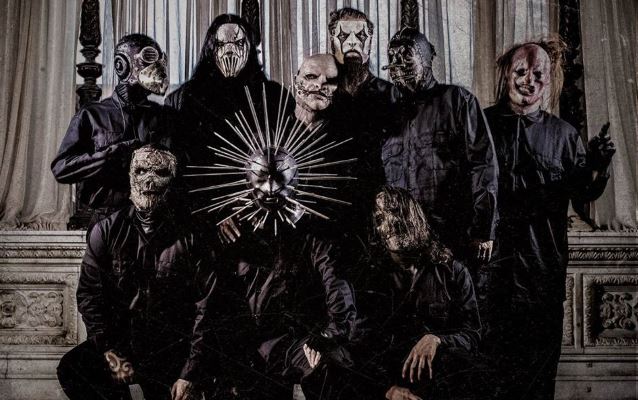 Yhdysvaltalaisen metalliyhtye Slipknotin vuonna 2001 julkaisema ”Iowa” -albumi täyttää sunnuntaina 15 vuotta. Yhtyeen laulaja Corey Taylor on antanut albumista haastattelun Altpressille, jossa muistelee bändin vaikeita aikoja sekä kertoo hieman ”Iowan” teosta. Voit lukea Coreyn ajatuksia albumista tästä:
“I think today it would be a fucking mushroom cloud in a sunflower field. It would just decimate everything. That’s not saying anything about the newer metal that’s out there: What I’m saying is that it’s a testament to just how strong and unique that album is. That album, even 15 years, later stands up so well when you stack it against anything.
For us, it’s really the proof in the pudding of what kind of lasting legacy do you think Slipknot will have. That album is one of the key elements to that. You got to remember, long ago, people thought we were just gonna be in and out. We would turn into just a gimmick band that really just rested on its visuals—people forgot just how talented we fucking were.
Every album we put out is a reminder of that and it really pisses people off. Just when they think they have us flushed down the toilet, we come back and we reinvent everything. It really infuriates people. The first album really sent the precedent, but ‘Iowa‘ really showed people that no matter what, you’re not going to be able to figure out what we’re going to do next. I’m really proud of that, man.”
Corey Taylor on samaisessa haastattelussa todennut huumeiden ja alkoholin aiheuttaneen bändille melkoisia ongelmia debyyttialbumin julkaisun jälkeen, joka sai yhtyeen hajoamisen partaalle. Voit lukea Coreyn mietteitä aiheesta tästä:
“Obviously, hindsight is going to be 20/20. The thing about this band is that we always prided ourselves on not giving into clichés. Which is one of the reasons ‘Iowa‘ came out the way it did, by basically shunning all the clichés, but then in a lot of ways, I think we eventually gave into some of the clichés that probably should have been thought out a little more.
Obviously the drugs, the booze, the bullshit, it all kind of caught up with us. Because we didn’t let it get to the music, but we let it get to us. You know, it twisted us in a lot of dark ways. Some of us got out of it and then some of us didn’t. I can’t say that I would change anything just for the fact that I wouldn’t be where I am now without it. Obviously, I wish we hadn’t lost certain people.
Retrospect is always the best way to look at things because woulda, shoulda, coulda. It’s hard to this day, but I think if you were to ask anyone who were still here if they would change anything, I don’t think they would change anything—with the exception of still being around, obviously. It’s the path you take, it’s the path you have to follow, because if you don’t we wouldn’t be having this conversation right now.”